


A knee ligament injury can happen in an instant—whether from a sudden twist, a bad landing, or an unexpected impact. But how do you know if it’s just a minor strain or something more serious? Knee ligaments play a crucial role in stabilising your joint; when they are injured, it can affect your ability to move comfortably. In many cases, structured care such as rehabilitation and sports therapy can support recovery by helping restore strength, stability, and safe movement over time.
This guide will walk you through the signs of a knee ligament injury, when to seek medical help, and what to expect during recovery.
Key Takeaways
- A knee ligament injury can occur from sudden twists, impacts, or awkward landings and may lead to pain, swelling, and instability.
- Common signs include difficulty bearing weight, limited movement, and a sensation that the knee may “give way”.
- Not all injuries require surgery. Many mild to moderate cases can be managed with a conservative approach, which includes rest, bracing, or physiotherapy.
- Early diagnosis and appropriate care can help reduce the risk of complications like chronic knee instability, muscle weakness, or early joint wear.
- Physiotherapy plays a supportive role in recovery, boosting patients’ strength, flexibility, balance, and confidence in movement.
- Individuals with active lifestyles may benefit from sports physiotherapy, which includes targeted rehabilitation to support a return to physical activity.
What is a Knee Ligament Injury?
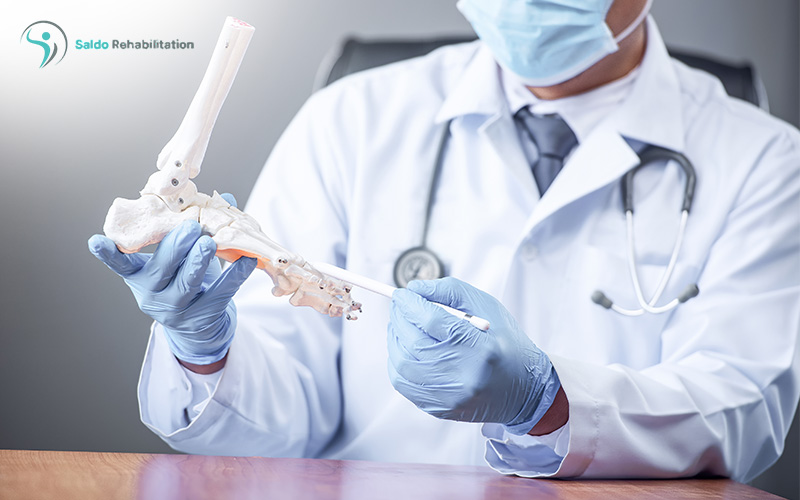
Your knee is supported by four key ligaments:
Anterior Cruciate Ligament (ACL):
Controls forward motion and rotation of the tibia.Posterior Cruciate Ligament (PCL):
Stabilises the backward motion of the shinbone.Medial Collateral Ligament (MCL):
Helps stabilise the inner part of the knee joint.Lateral Collateral Ligament (LCL):
Supports the outer part of the knee.
A knee ligament injury occurs when one of these ligaments is stretched or torn due to excessive force. These injuries are especially common among athletes and active individuals. They typically result from:
- Quick changes in direction
- Sudden stops
- Awkward landings
- Direct impact
Common Symptoms of a Ligament Tear
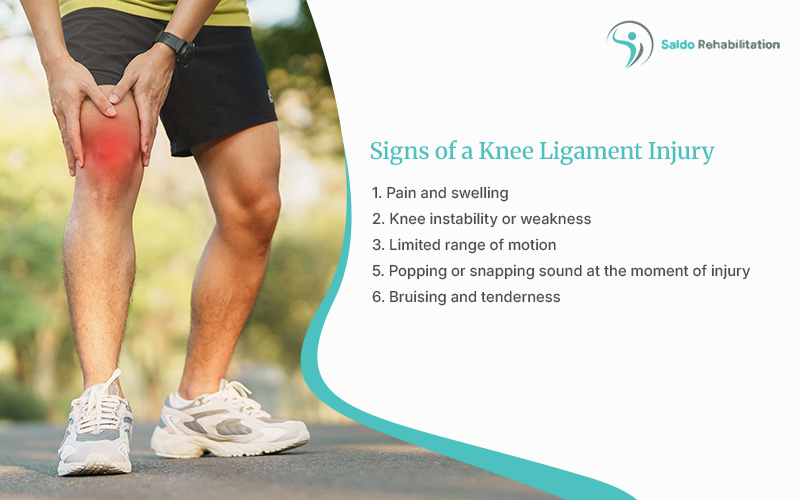
If you have recently experienced trauma to the knee, watch for these key indicators:
Pain and Swelling:
Immediate or delayed swelling, often accompanied by sharp or persistent pain.Knee Instability or Weakness:
A feeling of instability, as though the knee may give out when bearing weight.Limited Range of Motion:
Difficulty bending or straightening the knee fully.A Popping or Snapping Sound:
Some patients report hearing a “pop” at the moment of injury—especially in ACL tears.Bruising and Tenderness:
Depending on the severity of the injury, bruising may occur in the affected area.
Is a Knee Ligament Injury Serious?
While some knee ligament injuries may heal with rest and structured rehabilitation exercises, more severe tears can lead to long-term issues if left unaddressed.
Some potential complications include:
Chronic Knee Instability
When a ligament is torn and not given time to heal properly—or is never rehabilitated—the knee may no longer feel stable. This can lead to repeated episodes where the knee feels like it may buckle, shift, or “give way” during everyday activities or exercise. Over time, this instability may increase the risk of falls or secondary injuries.
Increased Risk of Osteoarthritis
Repeated stress and instability in the joint can cause uneven pressure and abnormal movement patterns within the knee. This may accelerate wear and tear of the cartilage and potentially contribute to early-onset osteoarthritis—a degenerative joint condition that can cause chronic pain, stiffness, and limited mobility.
Muscle Weakness and Imbalance
Ligaments and muscles work together to stabilise the knee joint. If a knee ligament injury is left untreated, the surrounding muscles—such as the quadriceps and hamstrings—may become underused or weakened. Muscle imbalances can develop, further compromising knee alignment and potentially increasing the likelihood of further injuries.
What to Do After a Knee Ligament Injury
When Should You Seek Medical Attention?
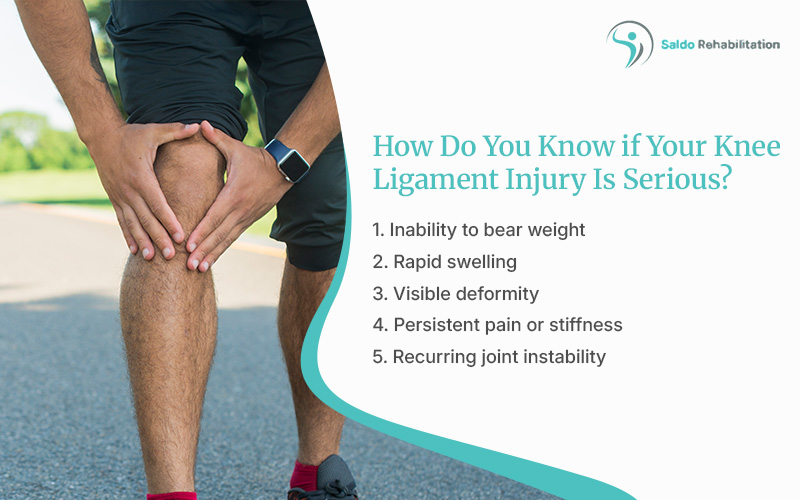
How do you know if your knee ligament injury requires medical attention or if it can be managed with rest and home care? Watch out for the following:
Inability to Bear Weight:
Severe pain or buckling when walking may indicate a serious ligament injury.Rapid Swelling
: Swelling that develops quickly—especially within the first few hours—may point to internal bleeding or structural damage.Visible Deformity:
If your knee appears misaligned or visibly out of shape, it could be a sign of dislocation, fracture, or a major ligament rupture. Seek emergency care and avoid trying to realign it yourself.Persistent Pain or Stiffness:
If symptoms do not improve after a few days of rest and basic care, a medical assessment is recommended to rule out more serious injuries.Recurring Instability:
If your knee continues to “give way” during daily activities or feels unstable after the initial swelling subsides, it may suggest unresolved damage that needs further evaluation.
If you are experiencing ongoing pain or are simply uncertain about your knee ligament injury, it is best to consult a doctor or physiotherapist. Timely evaluation can help identify the nature of your injury and guide the appropriate next steps.
How Do Doctors Treat Knee Ligament Injuries?
Here’s what you can expect when visiting a doctor about your injury.
1. Diagnosis and Assessment
Your doctor will begin with a thorough physical examination, checking for swelling, bruising, tenderness, and other symptoms. They may gently move the joint to assess its range of motion and look for any abnormal movement patterns. Based on these findings, your doctor may order imaging tests to confirm the knee injury diagnosis:
- X-rays: To help rule out fractures or other bone-related issues.
- MRI scans: Useful for visualising soft tissues, including ligaments, cartilage, and surrounding muscles. An MRI can show the extent of the knee tear and whether other parts of the knee are also affected.
Following the assessment, your doctor will discuss the most suitable treatment options with you.
2. Non-Surgical Treatment Options
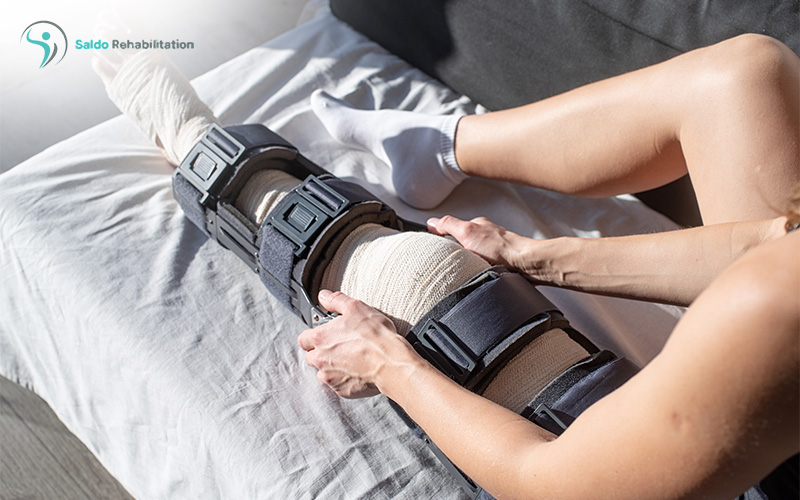
For mild to moderate sprains or partial tears, doctors may recommend conservative management. These non-surgical treatment options for knee injuries aim to reduce inflammation and restore function over time:
- The R.I.C.E. Method (Rest, Ice, Compression, and Elevation): This is often the first step in the early stages of recovery. Patients are advised to rest the affected joint, apply ice packs in short intervals, use compression bandages, and keep the knee elevated above heart levels when possible.
- Bracing and Immobilisation: A supportive knee brace or sleeve may be used to limit movement and protect the injured ligament as it heals. In some cases, crutches may be recommended to reduce weight-bearing in the initial phase of recovery.
- Physiotherapy: Once the swelling has subsided and the knee begins to regain mobility, patients are typically referred for orthopaedic and sports physiotherapy to guide a structured recovery process. This stage typically includes exercises aimed at helping patients recover strength, flexibility, and joint stability.
3. Surgical Treatments (for Severe or Complete Tears)
If the ligament is completely torn, or if conservative treatment does not lead to adequate improvement, surgery may be considered. This is more commonly recommended in cases involving the ACL and multiple ligament injuries, or for individuals who engage in high-demand physical activities and competitive sports.
Common surgical options include:
- ACL Reconstruction Surgery: This procedure replaces the damaged ligament with a tissue graft, either from the patient’s own body (autograft) or from a donor (allograft). It’s typically recommended for younger, active individuals or those experiencing ongoing instability.
- Minimally Invasive Arthroscopy: Using small incisions and a camera-guided instrument, surgeons can repair or reconstruct torn ligaments with greater precision and shorter recovery times. Arthroscopic procedures are commonly used to diagnose and address complex knee injuries.
Post-surgical rehabilitation is an important part of the recovery process, and most patients will transition to a structured physiotherapy programme soon after surgery to support a gradual return to movement.
How Does Physiotherapy Support Recovery From a Knee Ligament Injury?
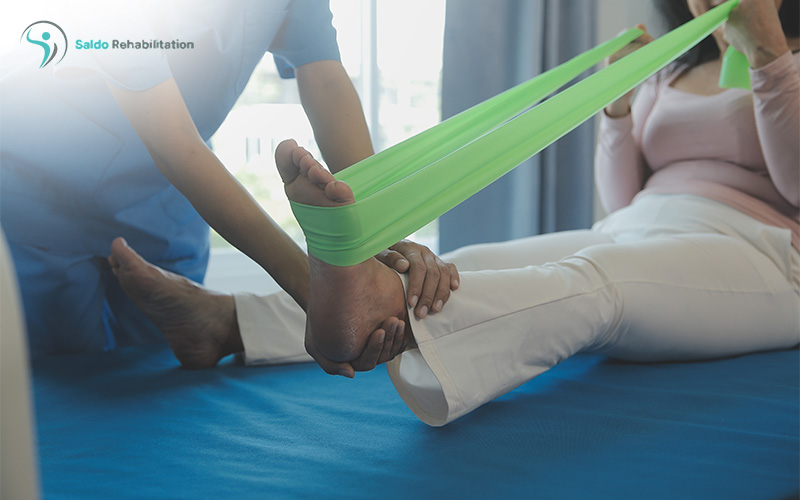
Whether a knee ligament injury is managed with or without surgery, physiotherapy often plays a key role in the rehabilitation process. It can help address mobility limitations, muscle weakness, and joint instability through targeted rehabilitation exercises.
Restores Strength and Stability
One of the primary goals of physiotherapy is to strengthen the muscles that support the knee—especially the quadriceps, hamstrings, and calf muscles. Strong, well-conditioned muscles can assist in supporting joint stability and reducing excess strain on healing ligaments.
Some private physiotherapy clinics in Singapore may incorporate the use of specialised equipment as part of the rehabilitation process. Adaptive strength machines, for instance, allow for controlled adjustments in resistance levels, which can help individuals rebuild their lower body strength post-surgery or after injuries.
Enhances Range of Motion and Flexibility
A knee ligament injury can result in stiffness and limited mobility, particularly in the early stages of recovery. General and sports rehabilitation programmes often incorporate gentle mobility and stretching exercises to help restore the joint’s range of motion without placing excessive strain on the joint.
Techniques such as manual therapy and passive stretching may also be used to address tissue tightness, maintain flexibility, and minimise the risk of long-term movement restrictions. Early intervention can also help reduce the formation of excessive scar tissue, which may further limit flexibility.
Supports Balance and Proprioception
Proprioception—your body’s ability to sense joint position and movement—can be affected following a knee ligament injury. This may cause a sense of unsteadiness or reduced confidence in movement, especially during activities that require balance or coordination.
To address this, physiotherapists often incorporate balance and coordination exercises into rehabilitation programmes. These may include single-leg stands, step-ups, or wobble board exercises—aimed at improving joint awareness and helping individuals regain confidence in their movements.
Facilitates a Safe and Gradual Return to Activity
A structured physiotherapy programme can help individuals gradually return to daily activities, exercise, or sport while reducing the risk of re-injury. Attempting to resume activity too soon—before the knee has regained sufficient strength and stability—can interfere with recovery and potentially lead to long-term complications.
Frequently Asked Questions
1. How long does recovery from a knee ligament injury take?
The timeline of recovery varies based on the severity of the injury and approach:
- Grade 1 (Mild Sprain): Typically recovers within 4 to 6 weeks with rest and physiotherapy.
- Grade 2 (Partial Tear): May take 6 to 10 weeks with a structured rehabilitation programme.
- Grade 3 (Complete Tear): Recovery may extend beyond 10 weeks, particularly if surgical intervention such as ACL reconstruction is required.
2. Can I walk with a knee ligament injury?
It depends on the severity of the injury. With mild sprains (Grade 1), you may still be able to walk, though movement might be uncomfortable. Partial tears (Grade 2) can cause instability and pain, making walking more difficult. Complete ligament tears (Grade 3) often lead to significant weakness, swelling, and an inability to bear weight without support.
3. What are the signs that your knee ligament injury is healing as expected?
Over time, you may start to feel less tightness in your knee, move more easily, and put weight on it without discomfort. If you are attending physiotherapy, being able to do more activities—like standing exercises or simple strength routines—can be a good sign of improvement. However, if pain, instability, or swelling persists beyond the expected timeframe, it’s important to consult your doctor or physiotherapist to assess your progress.
4. How does sports therapy differ from general physiotherapy in treating a knee ligament injury?
Sports physiotherapy and rehabilitation focuses on treating and preventing injuries related to physical activity, with an emphasis on helping individuals return to sport or exercise safely. While general physiotherapy addresses a wide range of conditions—such as post-surgical recovery, chronic pain, or mobility issues—sports physiotherapy involves more targeted, performance-based rehabilitation, including sport-specific exercises and functional movement training. It is suitable for anyone with an active lifestyle, not just athletes.
Conclusion
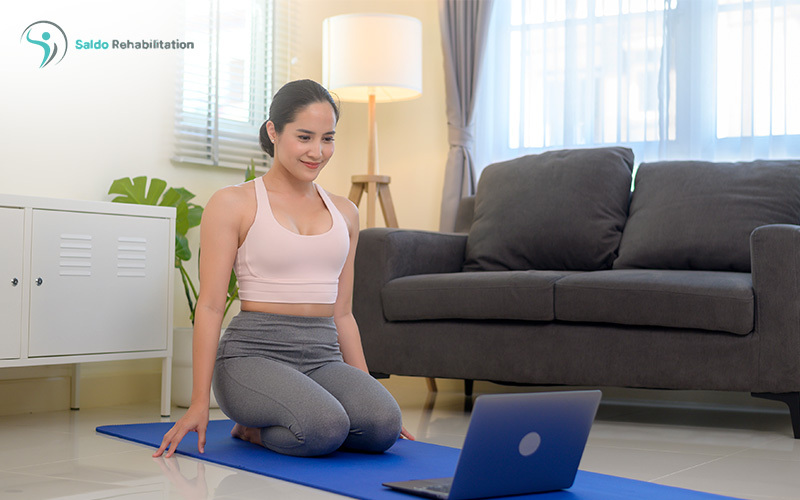
Recovering from a knee ligament injury often requires time, consistency, and the right combination of care. Whether it’s a mild sprain or a more severe tear, early diagnosis, appropriate treatment, and ongoing rehabilitation can support recovery and help reduce the risk of future issues.
At Saldo Rehabilitation, we provide individualised care plans tailored to your condition and goals. Our team uses a combination of tailored exercises and rehabilitation equipment to support patients as they work towards regaining strength, mobility, and confidence in movement.
If you are experiencing symptoms of a knee ligament injury or looking for professional support after a diagnosis, reach out to us today.
